Building Smarter, More Connected Civil Design Workflows
Civil engineering professionals are under increasing pressure to deliver complex infrastructure projects in shorter timeframes, while maintaining design accuracy, managing project changes and collaborating effectively across teams.
As civil design technology continues to evolve, the opportunity for engineering organisations is not simply to adopt new software features, but to rethink how their everyday design workflows can become more efficient.
The latest Autodesk Civil 3D 2027.1 update builds on this direction, introducing expanded AI capabilities, improved connectivity and enhanced drainage analysis tools.
For civil engineers, designers and infrastructure professionals, these developments represent another step towards a more intelligent and integrated design environment.
Making AI a Practical Part of Civil Design
Artificial intelligence is becoming increasingly relevant to the civil engineering industry. However, its real value lies in its ability to solve everyday engineering challenges.
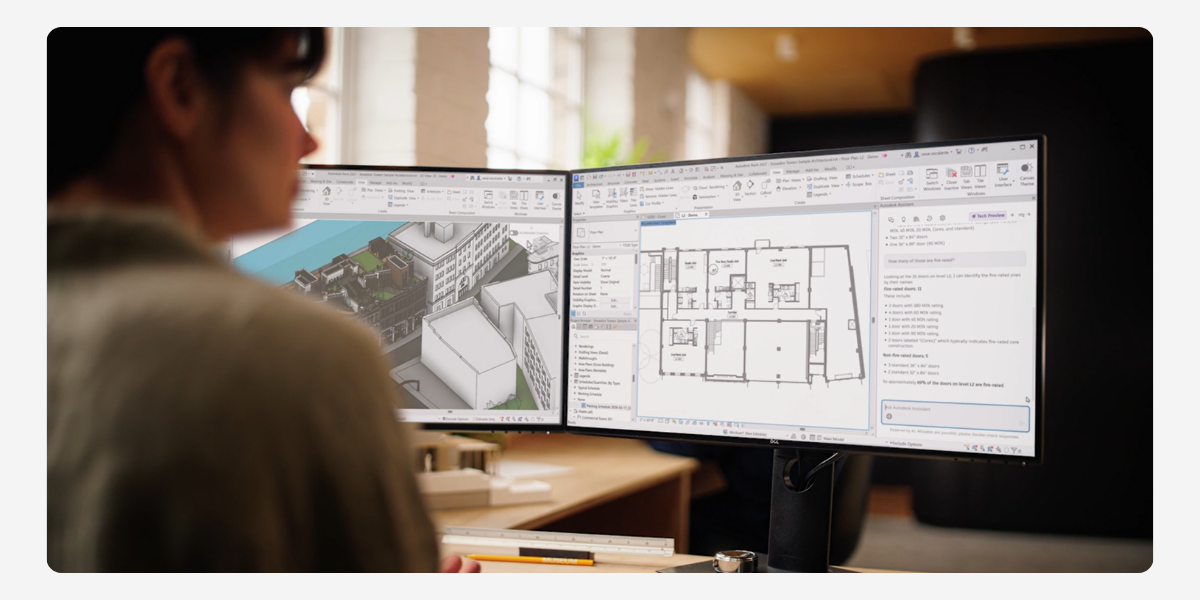
With Civil 3D 2027.1, Autodesk has expanded the capabilities of Autodesk Assistant, allowing users to interrogate a broader range of drawing objects using natural language.
Designers can now ask questions about drainage elements, profile views, section views and drawing layers. Queries can also be directed at selected objects, with generated reports displaying relevant measurement units.
Consider the time spent reviewing a complex subdivision design, extracting drawing information or checking model data. Having the ability to interact with this information conversationally could reduce the time spent navigating tools and manually compiling information.
While engineering judgement and design validation remain essential, AI provides an opportunity to support these processes and free up valuable design time.
At Civil Survey Solutions, we see AI as an opportunity to enhance engineering capability, rather than replace it. The focus should be on adopting tools that address genuine workflow challenges and deliver practical productivity improvements.
Keeping Civil Design Teams Connected
Managing design information across multiple drawings, project disciplines and team members can be one of the more challenging aspects of infrastructure project delivery.
Disconnected references, inconsistent file paths and difficulties accessing shared design information can introduce unnecessary delays and rework.
The latest Civil 3D update extends connected references to Data Shortcuts for teams using Forma Design Collaboration. Reference relationships are managed through Forma Data Management, reducing reliance on local file paths.
For organisations delivering road reconstruction, land development or large infrastructure projects, this provides an opportunity to establish more consistent approaches to sharing and managing design information.
As projects become increasingly collaborative, the ability to keep design teams connected to reliable project information becomes just as important as the design tools themselves.
Greater Flexibility in Drainage Design and Analysis
Effective drainage design is a critical component of civil infrastructure, particularly when balancing site constraints, stormwater management requirements and changing project conditions.
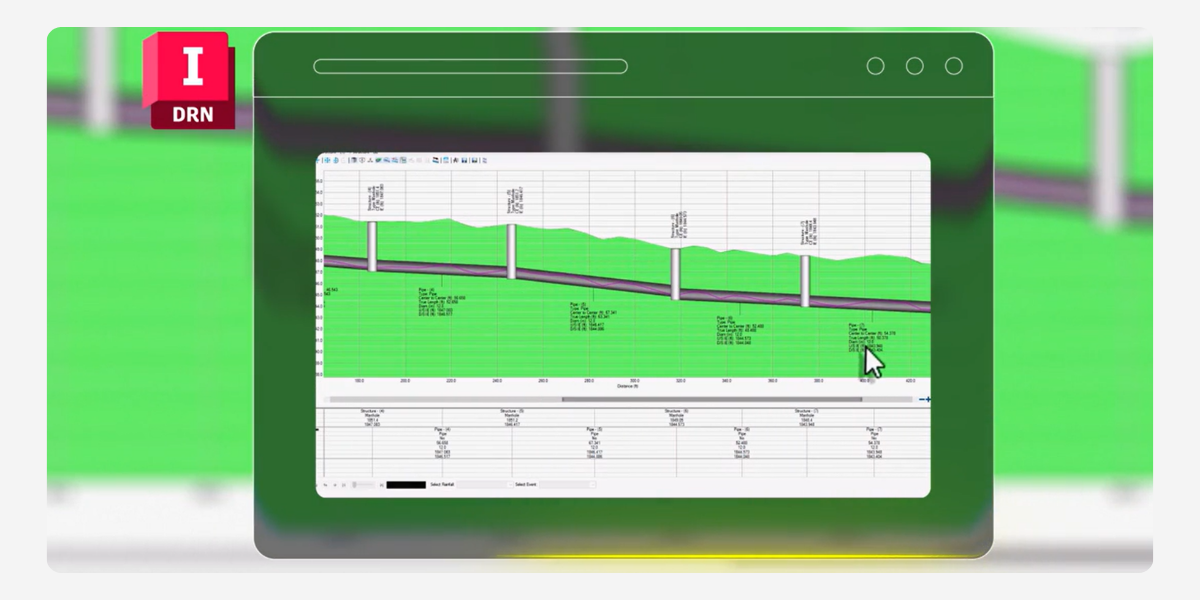
Civil 3D 2027.1 introduces known-flow inputs, more flexible downstream water-level conditions for individual rainfall scenarios, and improvements to analysis reporting and data export.
These enhancements support a more integrated approach to evaluating drainage designs and reviewing different scenarios within the civil design environment.
For engineering teams, the broader benefit of integrated design and analysis is the opportunity to reduce unnecessary movement between applications, minimise duplicated processes and make more informed design decisions.
Creating Opportunities for Greater Automation
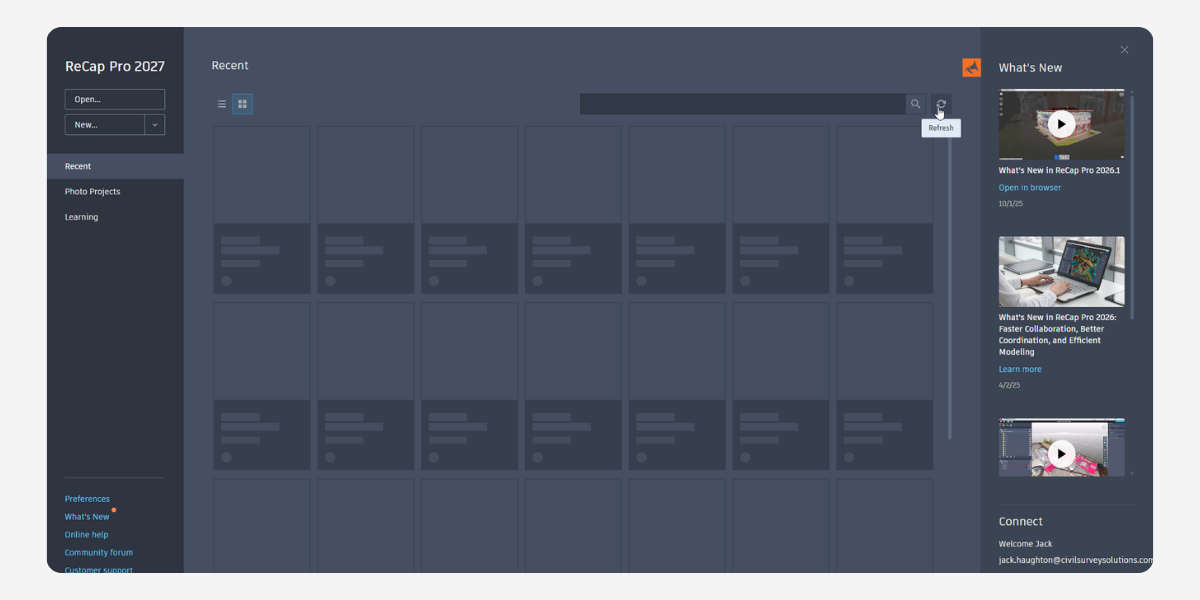
The release also introduces expanded programming interfaces, additional Dynamo functionality and further software performance improvements.
For organisations looking to standardise design practices or automate repetitive processes, developments in these areas provide opportunities to build workflows around their own project requirements.
Rather than accepting the limitations of traditional design processes, engineering teams can increasingly explore how their software can be adapted to the way they work.
This is particularly important for organisations looking to scale their design capability without proportionally increasing the time and resources required to deliver projects.
Taking Civil 3D Further with Civil Site Design
While the continued development of Autodesk Civil 3D brings new opportunities for engineering professionals, the productivity of a design team also depends on how effectively its broader software environment works together.
Civil Site Design complements Civil 3D by providing additional civil engineering design tools, integrated modelling capabilities and AI-assisted workflows.
From road reconstruction and subdivision design to surface modelling and automated intersection design, the combination of Civil 3D and Civil Site Design enables engineering professionals to explore more efficient approaches to project delivery.
By combining the strengths of these technologies, organisations can work towards reducing repetitive design tasks, minimising rework and retaining greater control over their design processes.
Preparing Your Organisation for the Future of Civil Design
The latest Civil 3D release reinforces a broader shift within the civil engineering industry towards intelligent automation, connected project environments and more flexible design workflows.
However, achieving meaningful productivity improvements requires more than simply installing the latest software update. It requires understanding how new capabilities can be applied to your organisation’s specific projects, processes and technical requirements.
As an Autodesk Gold Partner, Civil Survey Solutions works with engineering organisations to help them get more from their design technology through software solutions, technical expertise, implementation support and professional training.
Whether you are looking to explore AI-assisted design, improve collaboration across your project teams or extend your existing Civil 3D capabilities, our team can help you identify the right approach for your organisation.
Ready to get more from your civil design software?
Speak with the Civil Survey Solutions team to discover how Autodesk Civil 3D, Civil Site Design and our technical services can support your next project.
Technical release information sourced from Autodesk’s Civil 3D 2027.1 release announcement, published 20 October 2026.
About The Author

We are the leading provider of civil engineering and survey software solutions and services in Australia.