Autodesk One Team Conference 2026: What It Means for Civil Engineering, Surveying, and Infrastructure Workflows
Elsa recently attended the Autodesk One Team Conference (OTC) 2026 in San Diego, joining global Autodesk partners to explore the future of Autodesk software, digital project delivery, and infrastructure workflows.
While OTC typically includes product updates across platforms like Civil 3D, Revit, and Autodesk Construction Cloud, this year’s message went beyond tools. The central theme—“Lead with Purpose”—focused on how technology is reshaping the way infrastructure projects are planned, designed, and delivered.
For civil engineering and surveying professionals, the direction is clear: the industry is moving toward connected data environments, AI-driven workflows, and full lifecycle project integration.
Moving Beyond Software: Connected Infrastructure and Autodesk Construction Cloud
A major takeaway from OTC 2026 was the shift from software-centric thinking to project-centric delivery.
The conversation is no longer about simply adopting tools like Civil 3D or AutoCAD. Instead, the focus is on connecting the entire project lifecycle; from survey and design through to construction and operations.
Autodesk is positioning Autodesk Construction Cloud (ACC) as a central platform for achieving this. The goal is to create a single source of truth, where all stakeholders, owners, engineers, surveyors, and contractors, can access and work from the same data.
For civil and survey teams, this has direct implications:
-
Improved data consistency between survey and design
-
Better coordination across disciplines
-
Reduced risk of working from outdated information
This aligns with what we’re seeing locally, where more projects are demanding real-time collaboration and data transparency.
The Rise of AI in Civil 3D, Revit, and Infrastructure Workflows
Another dominant theme was the rapid evolution of AI in Autodesk software, particularly within Civil 3D, Revit, and InfraWorks.
The term “agentic AI” was used to describe the next stage of AI development—moving from simple assistance to actively participating in workflows.
In practical terms, this means:
-
Automating repetitive design and documentation tasks
-
Reducing manual data entry across projects
-
Improving accuracy and efficiency in engineering workflows
For civil engineers and surveyors, this shift allows teams to focus more on design decisions, problem-solving, and project outcomes, rather than time-consuming manual processes.
As AI continues to develop within Autodesk platforms, its role in civil infrastructure design and delivery will only increase.
Purpose-Driven Engineering: Technology Beyond the Tools
One of the most impactful moments from OTC 2026 was a keynote from Mick Ebeling of Not Impossible Labs, who introduced the concept of “beautiful, limitless naivete.”
The idea challenges professionals to approach problems without being constrained by what seems “impossible,” using technology as a tool to drive meaningful outcomes.
Examples included:
-
3D-printed prosthetics
-
Rebuilding communities after natural disasters
-
Using technology to solve real-world human challenges
For the AECO industry, this reinforces an important point:
Technology like Civil 3D, Revit, and Autodesk Construction Cloud is not the end goal, it’s the vehicle for delivering better infrastructure and communities.
What This Means for Civil Survey Solutions Clients
For Civil Survey Solutions and our clients, the insights from OTC 2026 reinforce several key trends already shaping the industry:
-
Increased adoption of cloud-based collaboration platforms
-
Greater reliance on connected data across project phases
-
Growing use of AI in engineering and design workflows
-
A shift toward lifecycle-focused project delivery
These changes are particularly relevant for teams working in:
-
Civil infrastructure design
-
Land development
-
Surveying and spatial data management
The opportunity lies in not just adopting Autodesk tools, but in aligning workflows to fully leverage connected platforms and automation.
The Future of Autodesk Workflows in Civil and Survey Projects
Autodesk’s direction is clear. The future of the industry is built around:
-
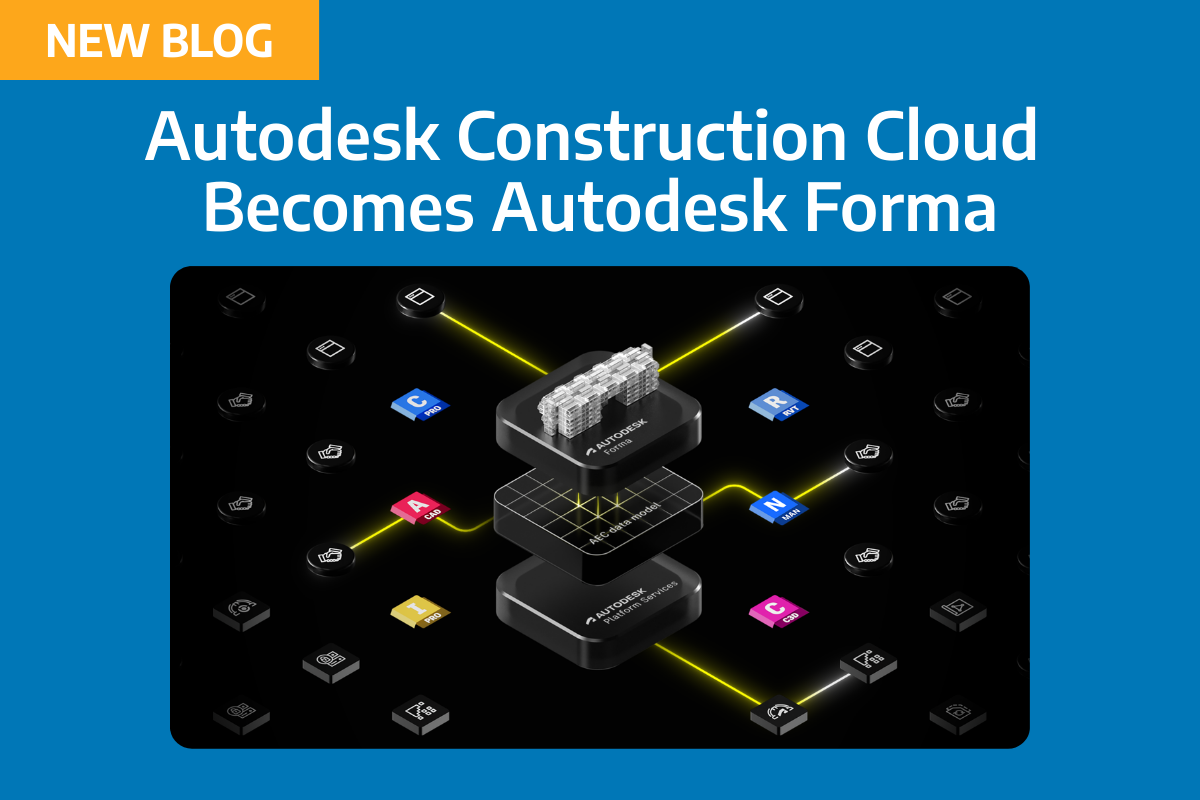
Connected platforms like Autodesk Forma and Construction Cloud
-
Integrated workflows between Civil 3D, AutoCAD, and Revit
-
AI-assisted design and analysis
-
Data-driven decision making across the entire project lifecycle
For civil and survey professionals, this represents a shift toward more efficient, accurate, and collaborative project delivery.
Final Thoughts
Autodesk One Team Conference 2026 highlighted that the industry is moving beyond isolated tools and toward a fully connected, purpose-driven approach to infrastructure delivery.
For Civil Survey Solutions clients, this isn’t a distant future, it’s already beginning to shape how projects are delivered today.
As these technologies continue to evolve, the focus will remain the same:
better data, better collaboration, and better project outcomes.
About The Author

We are the leading provider of civil engineering and survey software solutions and services in Australia.